Source British Style Wet Pillar Hydrant for Municipal, Industrial, Commercial
Explore 30 listings for the British Style Wet Pillar Hydrant designed for municipal, industrial, and commercial applications. Buyers can compare specifications such as pressure ratings, materials, and certifications to find the right fit for their water supply systems; compare the available evidence and request quotations based on your requirements.
Key considerations
Products List


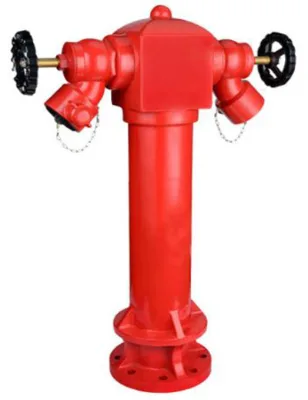

$192.00 - $194.00
MOQ: 1 Pieces


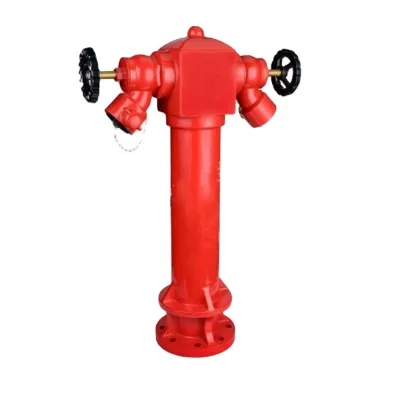


Ca-Fire Casting Two Way Pillar Wet Barrel Outdoor French Fire Hydrant Supplier
$98.00 - $110.00
MOQ: 10 Pieces

Fire Fighting Valve 2 Way Pillar Hydrant
$160.00 - $200.00
MOQ: 10 Pieces
Shaoxing Safety Plus Fire Fighting Equipment Manufacturing Co., Ltd.

Hot Sale Two Way 2.5 Inch Pillar Hydrant
$130.00 - $150.00
MOQ: 10 Pieces
Shaoxing Safety Plus Fire Fighting Equipment Manufacturing Co., Ltd.

Comprehensive Sourcing Guide
British Style Wet Pillar Hydrant Sourcing Guide
Procuring a British Style Wet Pillar Hydrant requires careful attention to specific dimensional and pressure standards that distinguish these units from other global variants. Buyers must verify that the selected model aligns with the observed DN100 and DN150 standard sizes, which are critical for compatibility with existing municipal or industrial piping networks. The distinction between ordinary and high-pressure outdoor types dictates the structural integrity required for the specific installation environment, ensuring the hydrant can withstand the intended operational loads without failure.
The observed product listings indicate a diverse range of configurations, including rotating bolt mechanisms and specific flange connections like the 4-inch BS Flange. Sourcing decisions should prioritize units that explicitly state their working pressure ratings, such as the 16 Bar or 250psi specifications found in current market data. Understanding these technical baselines prevents the procurement of under-specification equipment that might fail during high-demand firefighting scenarios or routine maintenance cycles.
Product Scope and Observed Listing Signals
The current market presents a wide array of wet pillar hydrants with varying material compositions, primarily utilizing cast iron or ductile iron for durability. Buyers should note that while some listings specify a "High Quality" rating, the actual material grade must be confirmed through technical datasheets to ensure resistance to corrosion and mechanical stress. The presence of different packing methods, ranging from wooden cases to crates and pallets, suggests that logistics planning must account for the specific packaging requirements of the chosen model to prevent transit damage.
Listing signals reveal significant variation in outlet configurations, with some units offering dual 2.5-inch female threads alongside a 4-inch male thread, while others may differ. This inconsistency necessitates a rigorous review of the outlet specifications against the local fire hose standards to ensure immediate operational readiness. Additionally, the temperature operating ranges observed, such as 0-80°C or 0-70°C, highlight the need to match the hydrant's thermal tolerance with the specific climate conditions of the installation site to avoid material brittleness or seal failure.
Technical Specifications to Verify
Verification of the actuator mechanism is paramount, as the observed data indicates a preference for manual operation in many listed models. Buyers must confirm that the rotating bolt design allows for smooth operation even after prolonged periods of inactivity, a common failure point in wet pillar systems. The connection form, typically a flange, requires precise alignment with the supply line to prevent leaks, and the specific flange standard, such as BS336, must be strictly adhered to for a secure fit.
Pressure ratings and media compatibility are equally critical technical parameters that demand immediate attention during the selection process. The observed rated pressure of 16 Bar or 232psi serves as a baseline, but the actual working pressure must be validated against the system's maximum expected surge. Furthermore, the media type, whether water, foam concentrate, or brackish water, influences the internal coating and material selection, requiring the buyer to ensure the hydrant is suitable for the specific fluid it will convey to prevent internal degradation.
Compliance and Safety Documentation
Certification status is a non-negotiable aspect of sourcing fire safety equipment, with FM UL and CCCF approvals appearing as key markers of compliance in the current market. Buyers must request valid certification documents for every batch purchased, as these approvals verify that the hydrant has undergone rigorous testing for pressure integrity and fire resistance. The presence of ISO9001 and ISO14001 listings indicates a supplier's commitment to quality management and environmental standards, which should be cross-referenced with the specific product model to ensure the certification applies to the exact unit being procured.
Safety documentation must also include detailed test results regarding the hydrant's performance under extreme conditions, such as the observed temperature ranges and pressure limits. While some background standards like EN 14384 are noted in industry knowledge, buyers should prioritize the specific approvals listed in the product data, such as the 4-inch or 6-inch standard sizes, to ensure regulatory compliance in their jurisdiction. Failure to secure these documents can lead to significant liability issues and potential rejection of the equipment by local fire authorities.
Cost Drivers and Commercial Terms
The price range observed in the market, spanning from 10 to 916.23 USD, reflects significant variations in model complexity, material quality, and certification levels. Buyers should analyze the cost drivers carefully, noting that higher prices often correlate with specialized features like specific flange types or enhanced pressure ratings. It is essential to understand that the lowest price point may not include necessary accessories or specific packaging, which can inflate the total landed cost if not accounted for in the initial budget.
Commercial terms such as Minimum Order Quantity (MOQ) and lead times are critical factors that influence procurement planning and cash flow. The observed MOQ range of 1 to 10 units offers flexibility for smaller projects, while the lead time of approximately 6 weeks requires early ordering to avoid project delays. Buyers must negotiate clear terms regarding payment schedules and delivery responsibilities, ensuring that the supplier can meet the required timeline without compromising on the quality or specifications of the hydrants.
Supplier Qualification and Quality Control
Supplier qualification should focus on the manufacturer's ability to consistently produce units that meet the observed material and finish standards, such as externally powder-coated surfaces. Buyers must verify that the supplier has a robust quality control process in place to ensure that every unit, whether made of cast iron or ductile iron, meets the specified pressure and temperature ratings. The capability for OEM customization is a valuable asset, allowing buyers to tailor the hydrant to specific site requirements while maintaining the core structural integrity required for fire safety.
Quality control checks should extend beyond the initial inspection to include third-party verification of the product's performance under simulated fire conditions. Buyers should request evidence of the supplier's adherence to the listed standards, such as the 713827 or 655050 dimensional specifications, to ensure consistency across the order. Establishing a clear protocol for handling defects or non-conforming units is essential, as the reliability of the hydrant is directly tied to the supplier's commitment to maintaining high-quality manufacturing practices throughout the production cycle.
Long-Term Procurement Checks
Long-term procurement success depends on establishing a reliable supply chain that can support future maintenance and replacement needs without significant disruption. Buyers should prioritize suppliers who offer workable OEM services and can provide consistent product models, such as the WH-04E or FRD-PH100, to ensure interchangeability of parts over the lifespan of the installation. This continuity is vital for reducing downtime and ensuring that the fire safety infrastructure remains operational and compliant with evolving safety regulations.
Regular audits of the supplier's production capabilities and quality assurance records are necessary to maintain the integrity of the procurement relationship. Buyers must monitor changes in material sourcing or manufacturing processes that could affect the hydrant's performance, particularly regarding the working pressure and media compatibility. By maintaining open communication and setting clear expectations for ongoing quality, buyers can mitigate risks associated with supply chain volatility and ensure the long-term reliability of their fire hydrant assets.
FAQs
What certifications do these fire hydrants hold?
These fire hydrants hold FM UL approval and listings including CCCF, ISO9001, and ISO14001. This ensures compliance with international safety and quality standards. Buyers can verify these credentials for regulatory requirements in various global markets. The certifications confirm the product meets rigorous testing protocols for reliability and performance in emergency situations.
What is the working pressure rating?
The working pressure is rated at 16 Bar, which equals 232psi or 1.6 MPa. This high-pressure capability ensures effective water delivery during firefighting operations. The design supports normal decompression standards for ground hydrants. This rating makes the unit suitable for high-demand industrial and municipal water supply systems requiring consistent pressure.
What materials are used in construction?
The hydrants are constructed from cast iron or ductile iron for durability. This material choice provides robust resistance against physical impact and environmental corrosion. The external finish is powder coated to enhance longevity. These materials ensure the hydrant maintains structural integrity under high pressure and varying temperature conditions from 0 to 80 degrees Celsius.
What are the standard outlet configurations?
Standard outlets include 2*2.5 inch BS336 Inst Female connections. Some models also feature a 1*4 inch Male Thread option. These configurations allow flexible hose attachment for various firefighting equipment. The flange connection form ensures secure integration into existing water networks. This versatility supports diverse operational needs in urban and industrial settings.
What is the typical lead time for orders?
The typical lead time for production is six weeks. This duration accounts for manufacturing, quality control, and preparation for shipment. Buyers should plan procurement schedules accordingly to ensure timely delivery. Customization options may affect this timeline, so early communication with suppliers is recommended for specific project requirements and urgent delivery needs.
Can these hydrants be customized for specific projects?
Yes, customization is available for specific project requirements. Buyers can request modifications to meet unique operational standards or local regulations. The manufacturer supports OEM workable options for tailored solutions. This flexibility allows for precise alignment with infrastructure needs. Contact suppliers directly to discuss specific customization parameters and potential impacts on lead times and pricing.